Home About Products RF Antenna Tracker GNSS Anti-Jamming Modules MIMO Mesh Data Links IRIG-106 Telemetry Receiver IRIG-106 Telemetry Transmitters Video Encoders News Careers Contact

TTSTelemetry Transmitters

Starting from $2,999 USD

ITAR-free·Ships in 8–12 weeks

Four IRIG-106 compliant L/S-Band transmitters from 2W to 20W — engineered for drones, UAVs, missiles, rockets, and manned flight test platforms. Frequency-hopping across the full band with AES-256 payload encryption for secure telemetry downlink in contested RF environments. Environmentally qualified to MIL-STD-810G for shock, vibration, and extreme temperatures from −40°C to +85°C.

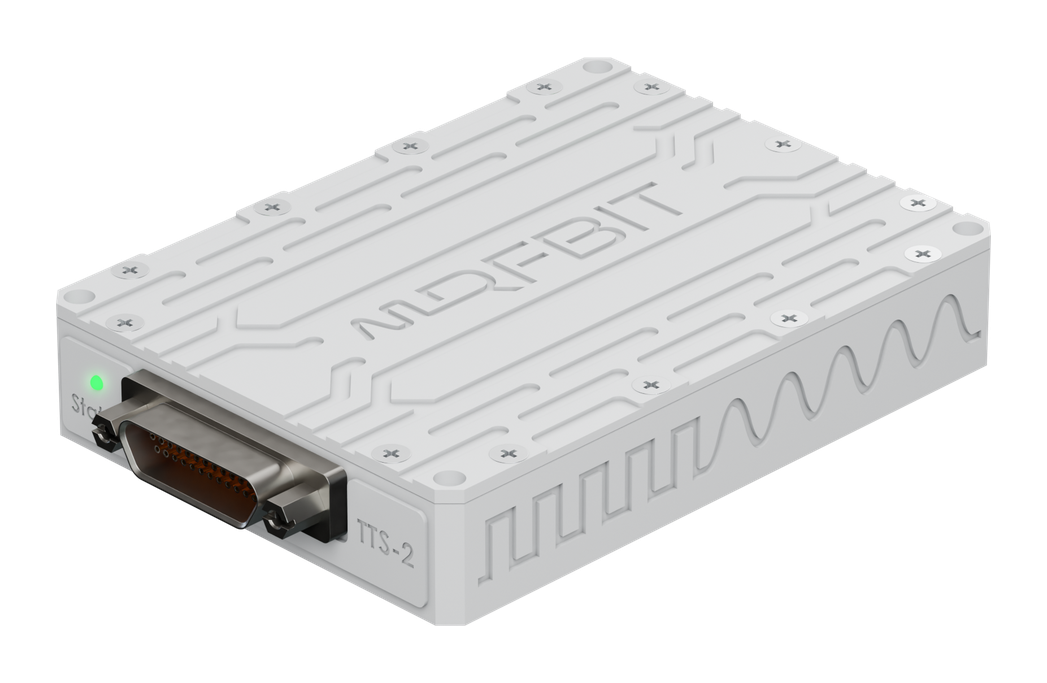
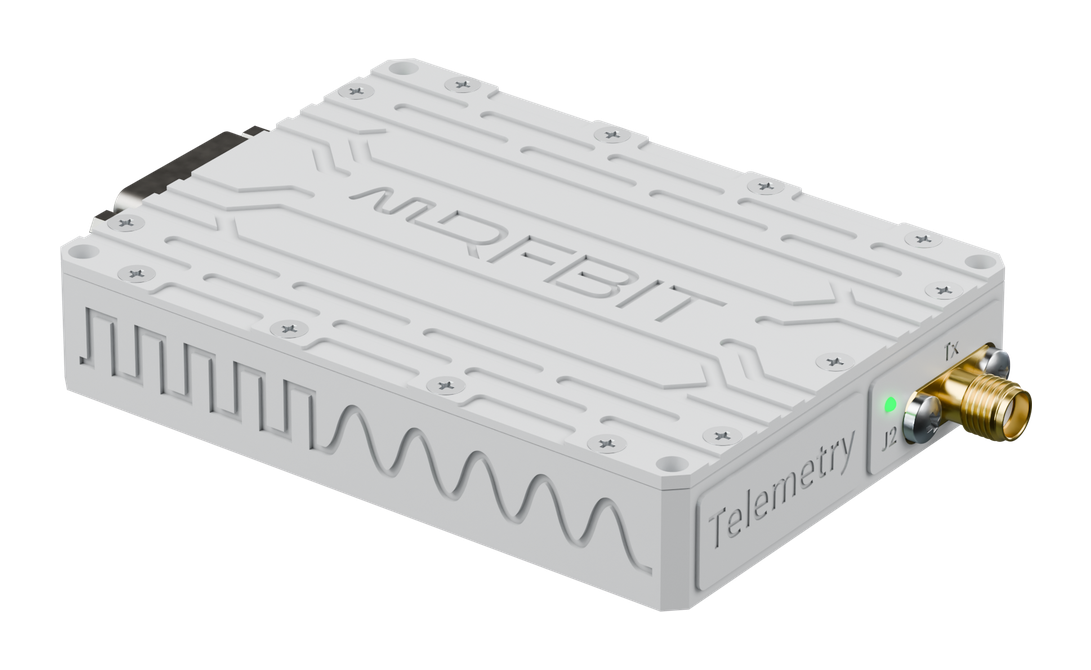
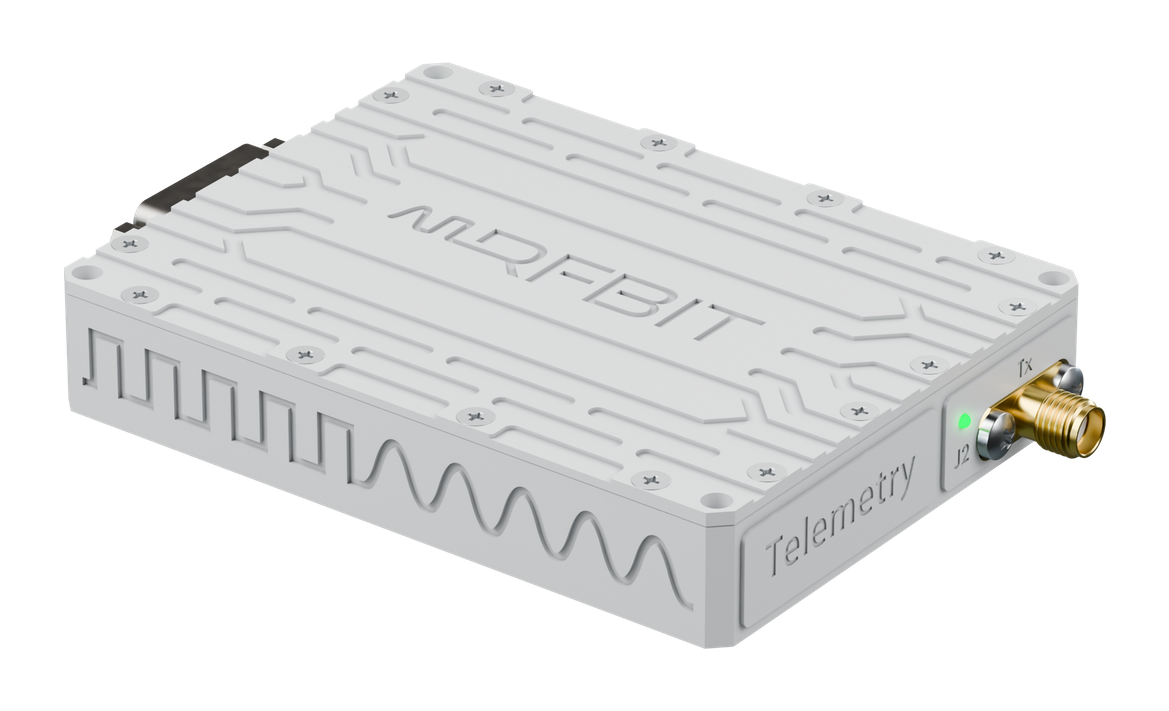
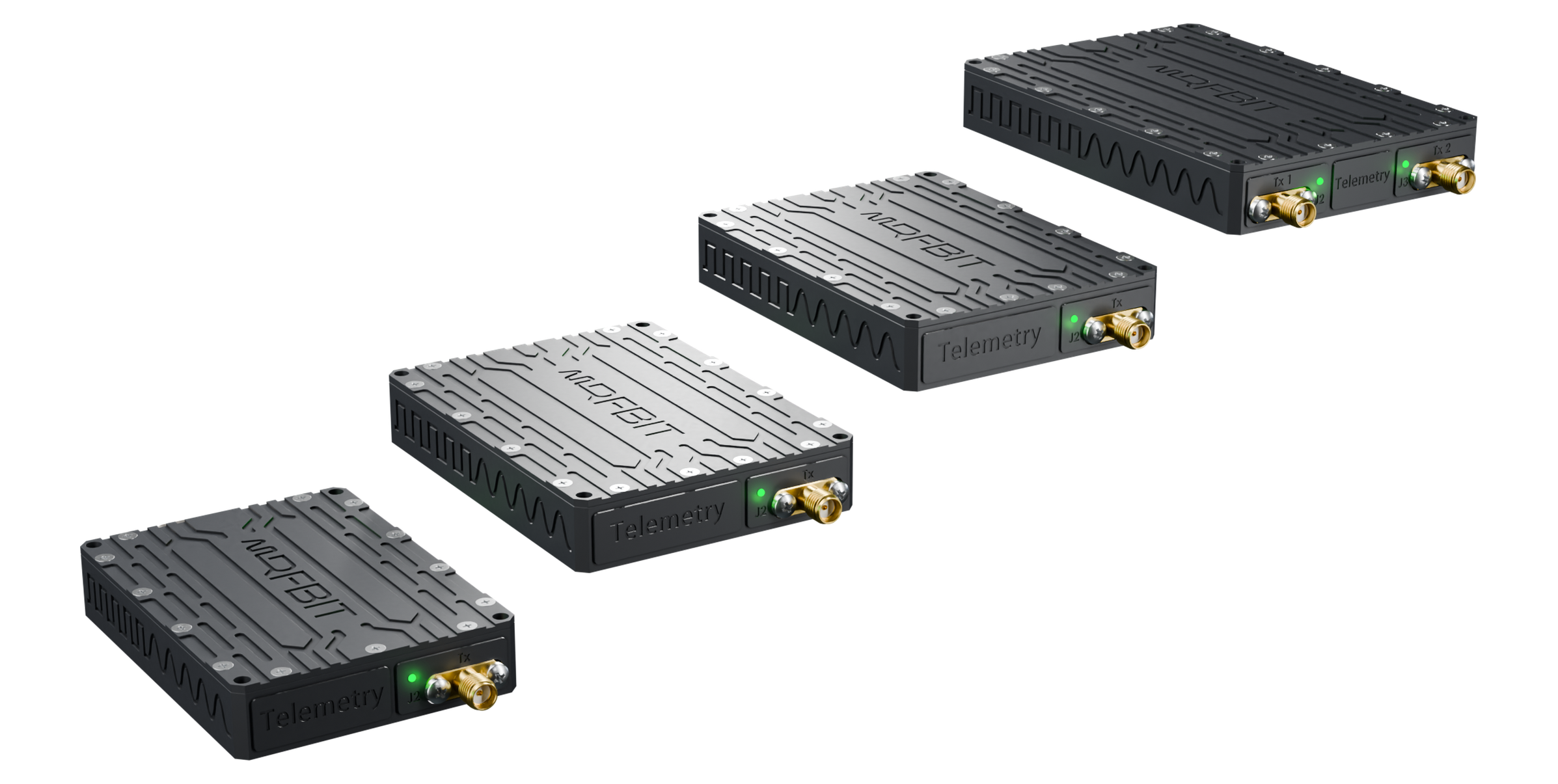
RFBIT TTS telemetry transmitter family
1 to 3 GHz User-Configurable Frequency
250+ km Communication Range
20 Watt Max RF Power
40,000 feet Tested Operating Altitude

Built For

Four platforms.
One transmitter family.

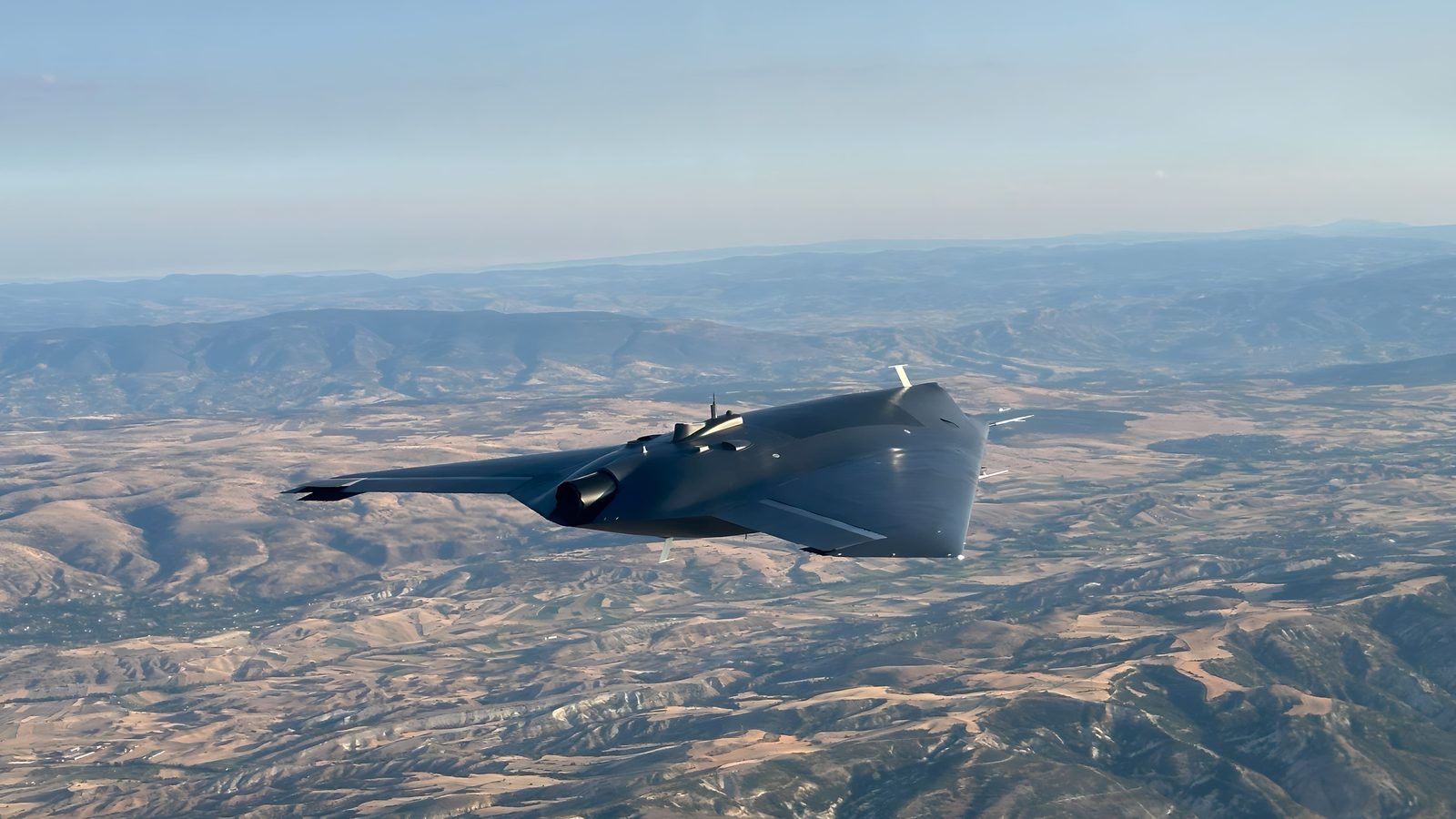
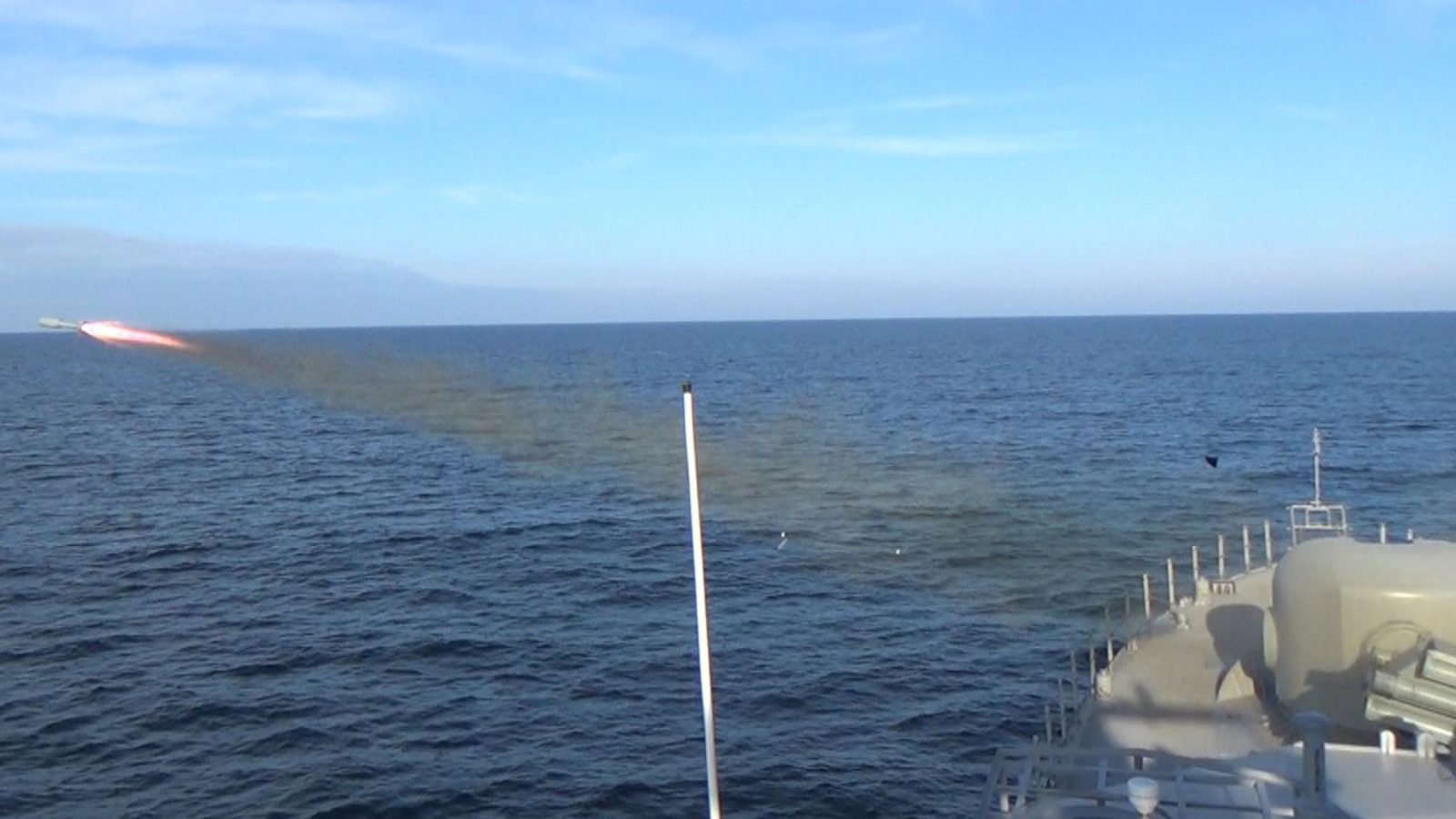
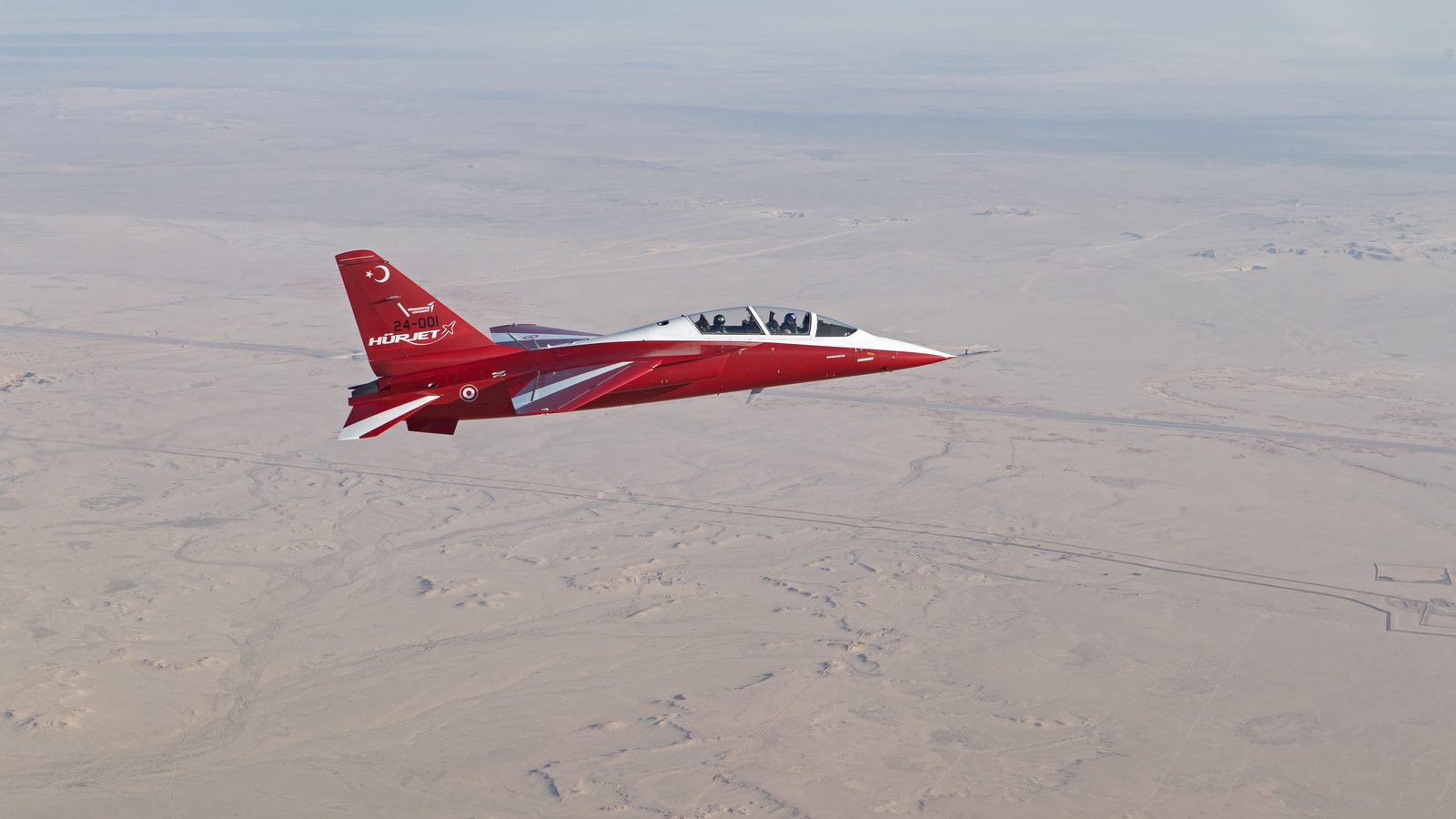
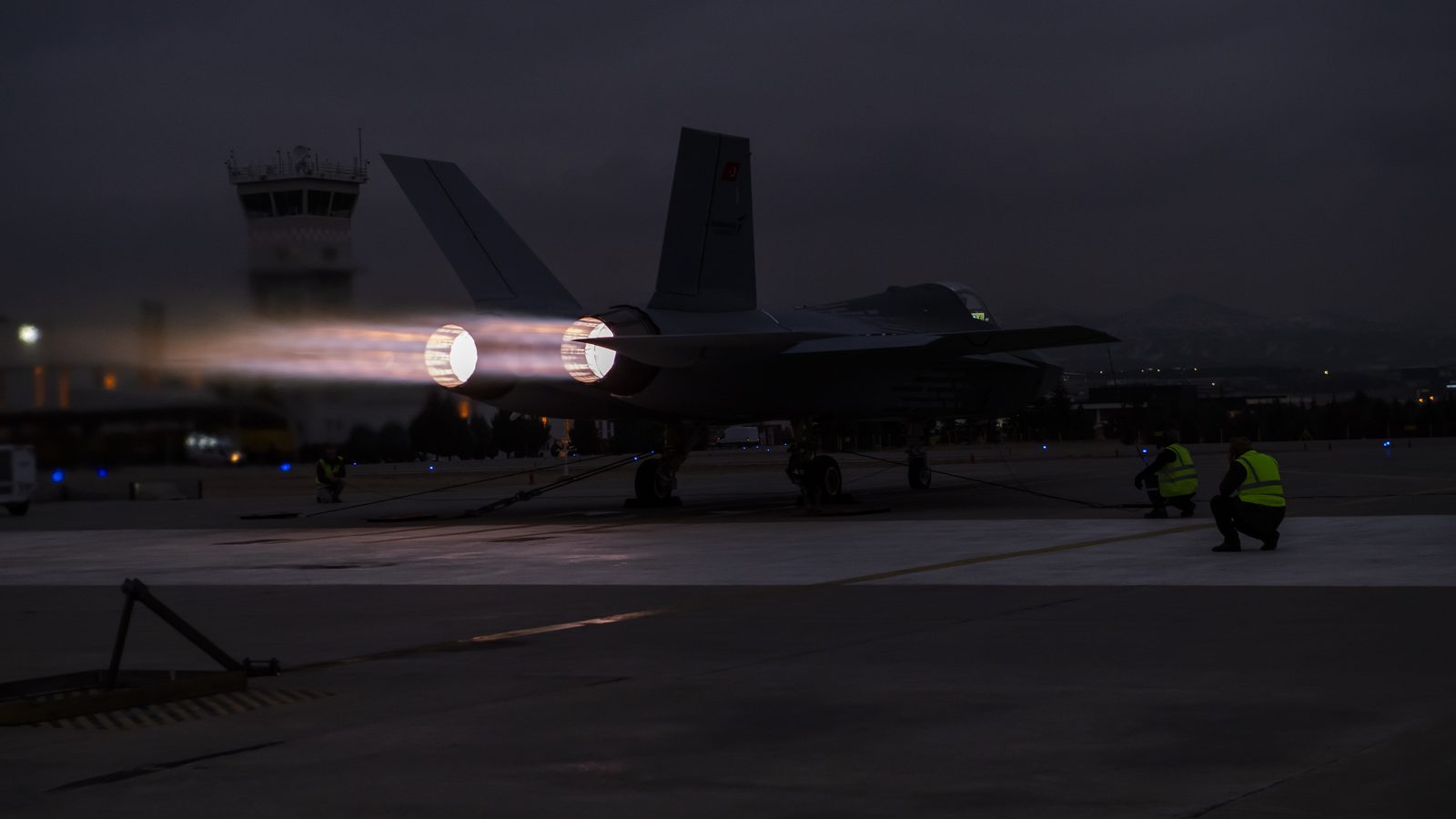
Fighter aircraft on a flight test sortie Medium-altitude long-endurance UAV Missile test launch Jet trainer on a test flight

Fighter Aircraft

Instrumented airframes produce more data than any other phase of a programme, and the range has to receive every bit of it. Up to 40 Mbps, PCM/FM and SOQPSK-TG for IRIG-106 range operations, and a ground segment we build ourselves.

UAV & Drone

The TTS-2 is 100 g and draws under 14 W at 2 W output. The airframe does not have to be large to carry proper telemetry, and the 25-pin pinout is the same one you would use on a 20 W unit later.

Missile & Munition

One flight, one chance to record it. Qualified to MIL-STD-810G for shock, vibration and acceleration, rated to 100,000 ft, AES-256 encrypted, and hopping across the full 1–3 GHz band when the range is contested.

Trainer & Helicopter

Certification campaigns fly the same profile many times and every sortie has to come back with usable data. Power is set in software, so one unit covers a circuit at low level and a full-range sortie without a hardware change.

Chassis

Precision-Machined.
Two Finishes.

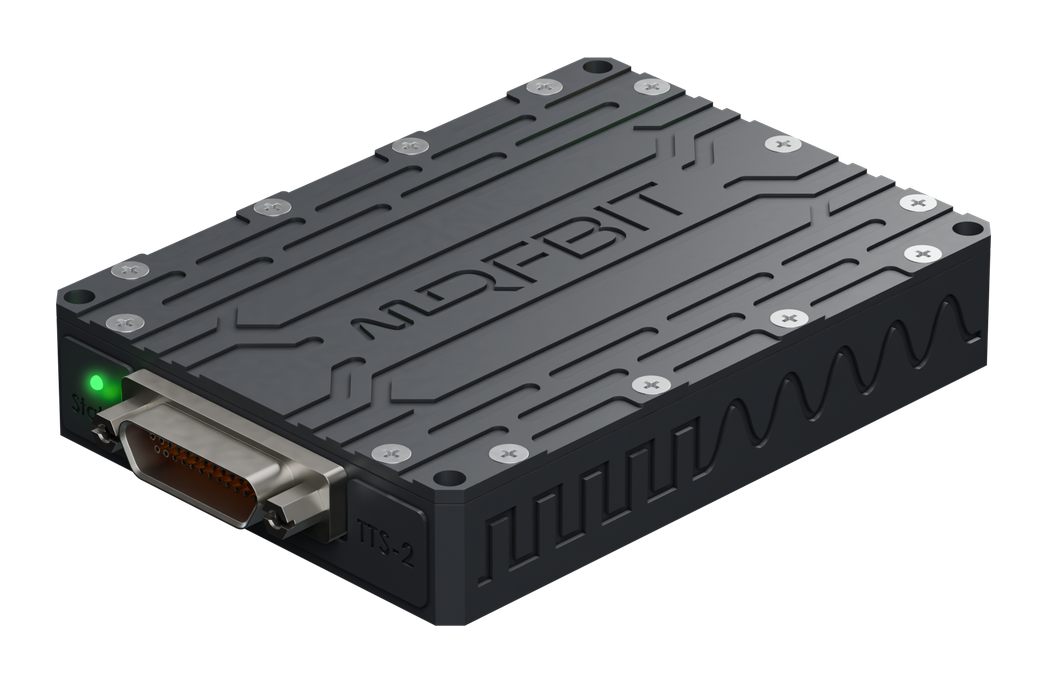
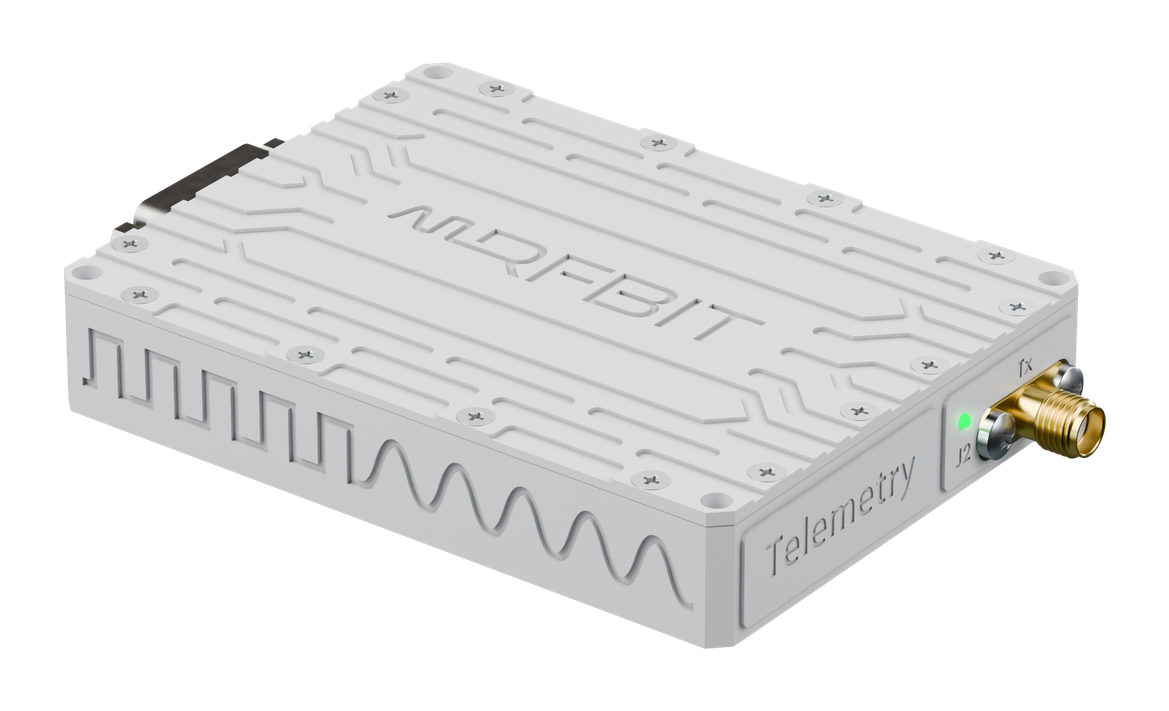
CNC-machined from solid aluminum, the TTS chassis provides structural rigidity and thermal conductivity. The lid is designed as an integrated heatsink, maximizing heat dissipation surface area and enabling efficient thermal management under sustained RF loads. Available in two anodized finishes to match your platform requirements.

Stealth Black

TTS-2 Design

RF Link Performance

250+ km.
Crystal Clear.

Reliable telemetry downlink over 250 km — even in contested RF environments. Built-in ECCM functions protect your data against jamming and interference, while user-configurable frequency agility across 1.0 to 3.0 GHz lets operators adapt to any operational scenario on the field.

FREQ 2.2 GHz
PWR 20 W
MOD SOQPSK-TG
250 km
10110010
0 50 100 150 200 250 km
✈
TTS-20
⛭
Ground Station

Equivalent to the distance from London to Manchester

Link Budget

Maximum range depends on transmit power, antenna gain, and receiver sensitivity. The TTS delivers up to 20W of RF output power, which — combined with a high-gain autotracking antenna on the ground — provides sufficient link margin for reliable telemetry reception at distances exceeding 250 km, even under adverse atmospheric conditions. Enter your own antenna gains and losses alongside to check the margin.

Calculate Your Own Link Budget

FSPL
−147.3 dB
RX Power
−77.2 dBm
Link Margin
32.8 dB

Smart Diagnostics

Status at
a Glance.

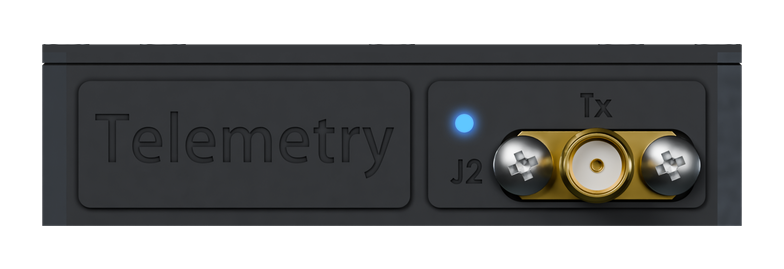
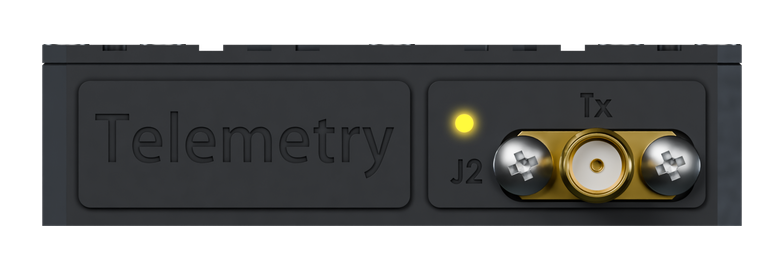
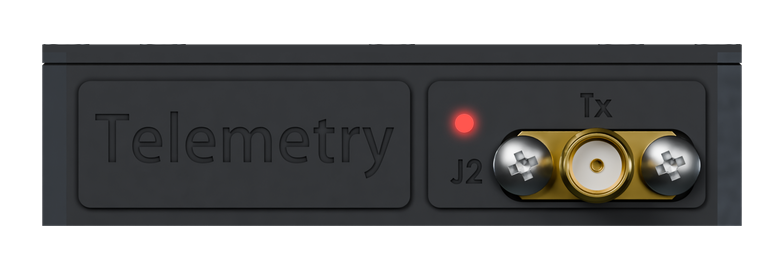
An integrated RGB LED on the unit provides instant visual feedback on transmitter status — no test equipment needed. Ground crews can verify power, signal lock, and data flow with a single look, even from a distance.

TTS-2 White LED TTS-2 Green LED TTS-2 Blue LED TTS-2 Yellow LED TTS-2 Red LED

Input power is present and the unit is booting. The LED holds white through power-up until the self-tests complete.

Modulations

One Platform.
Every Waveform.

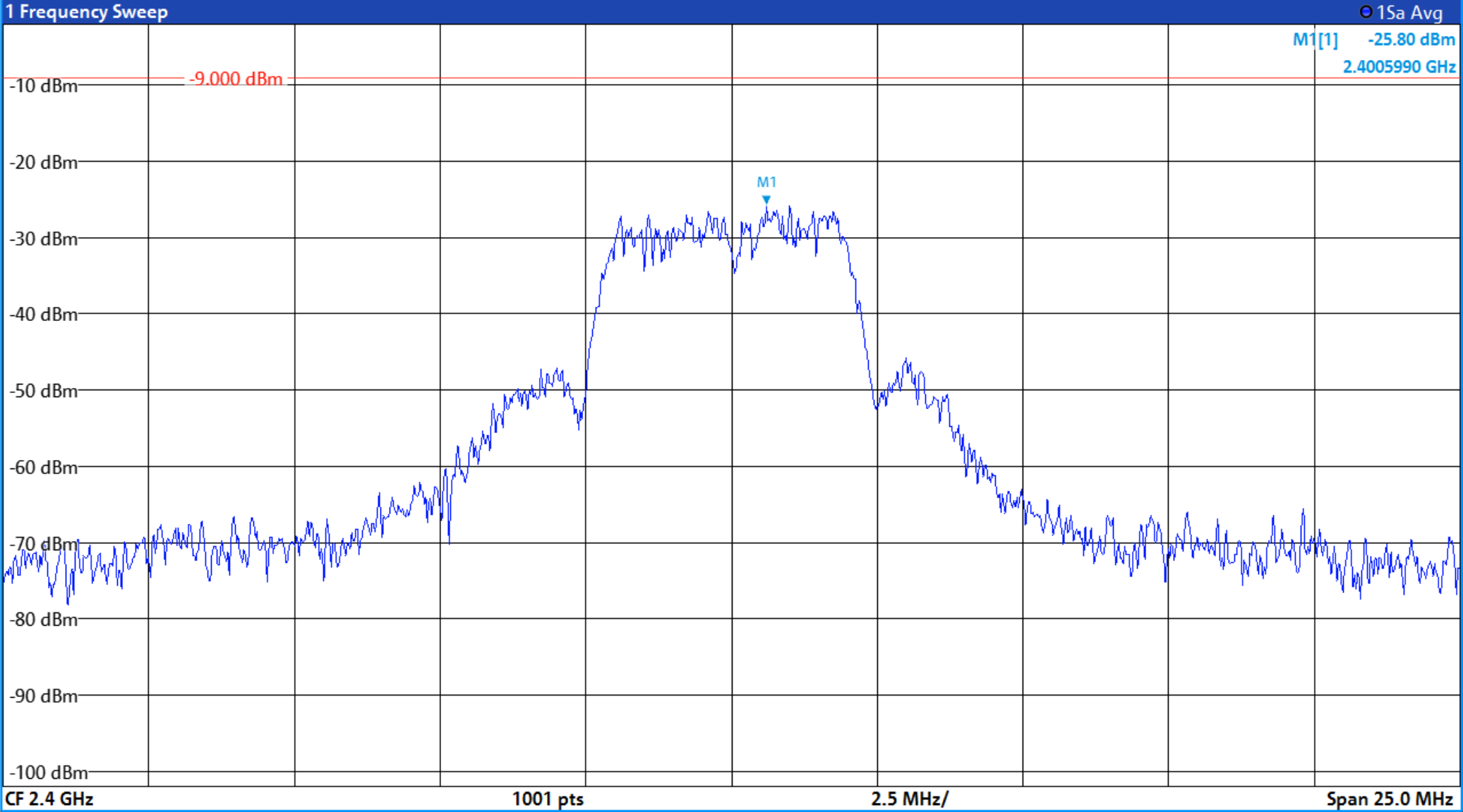
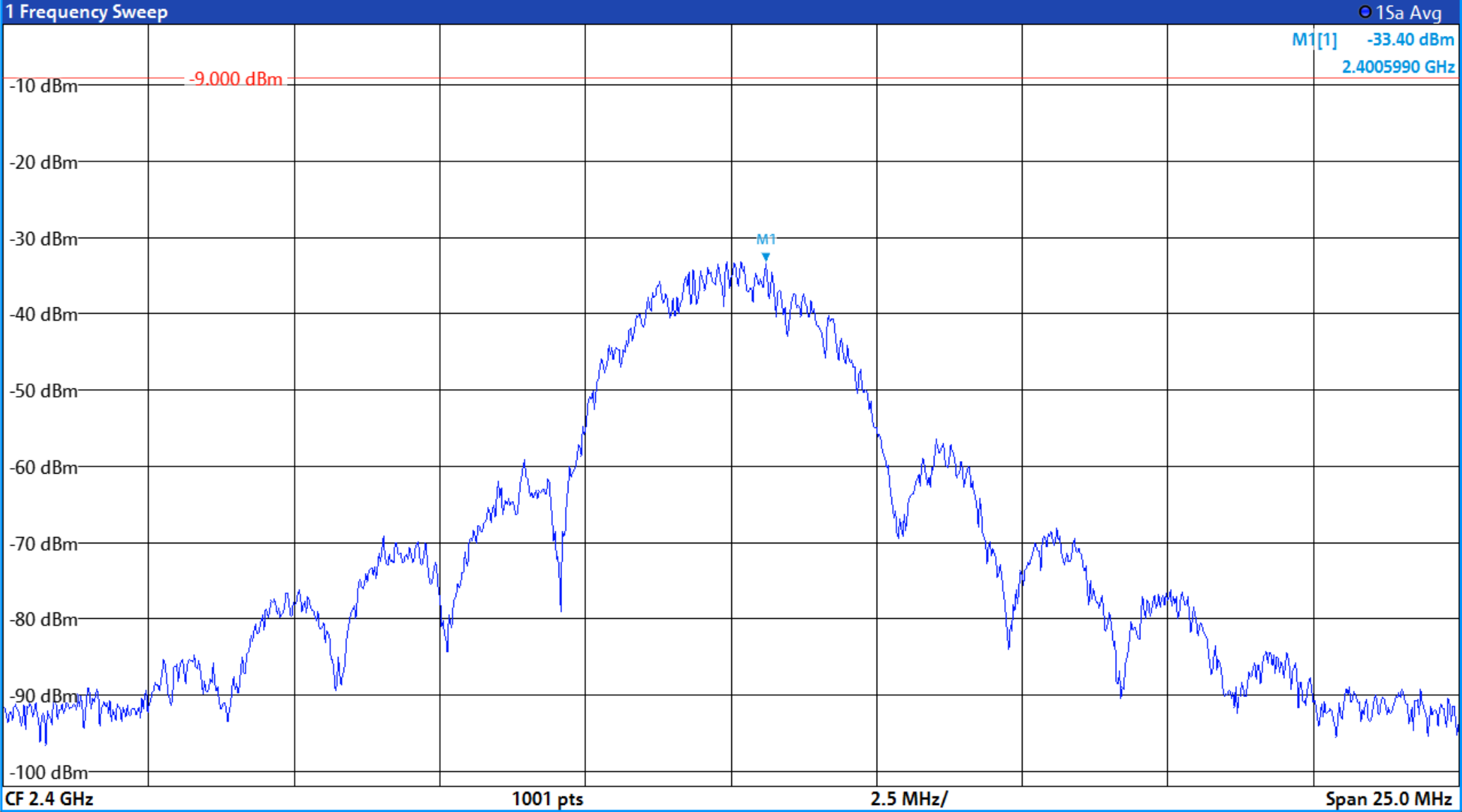
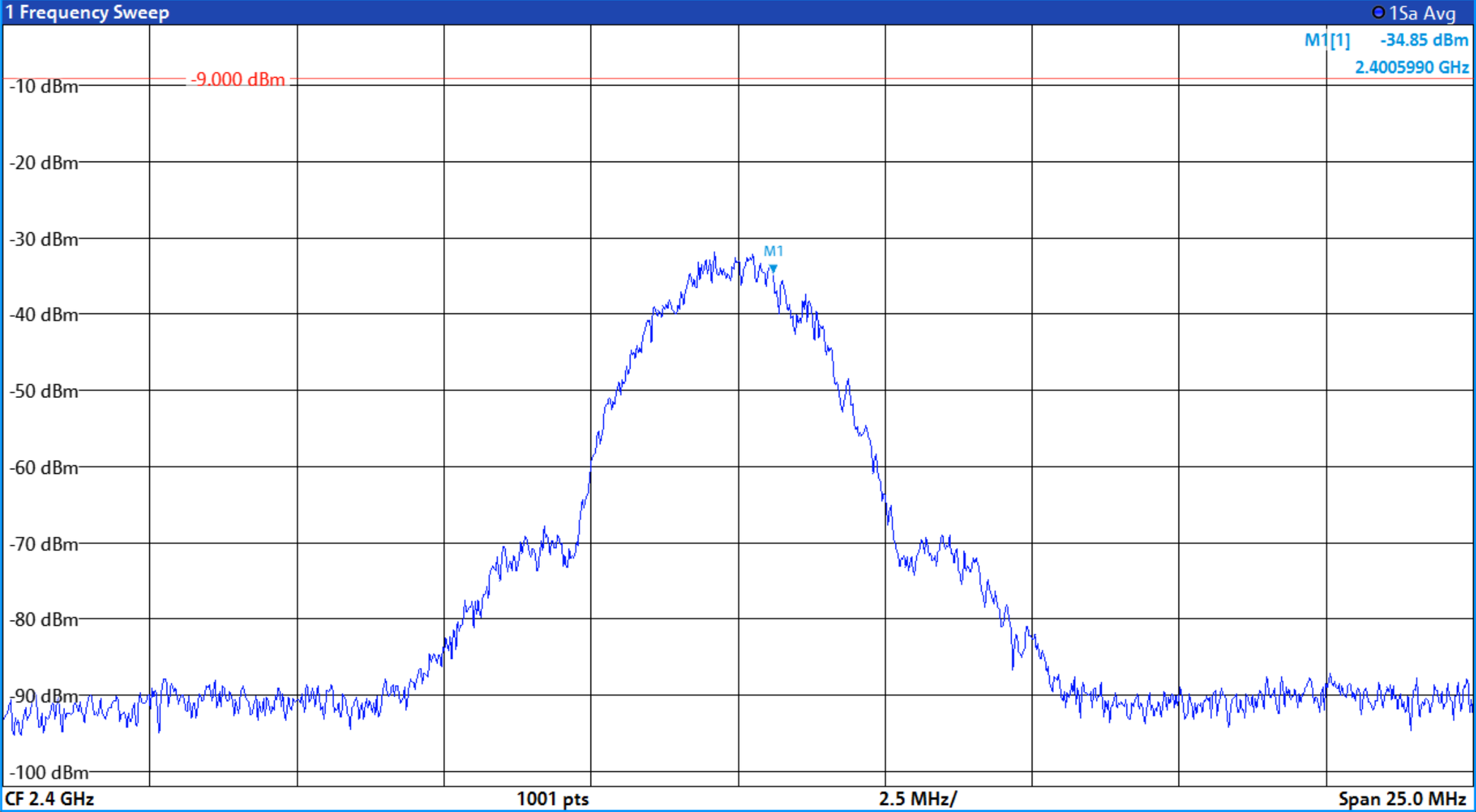
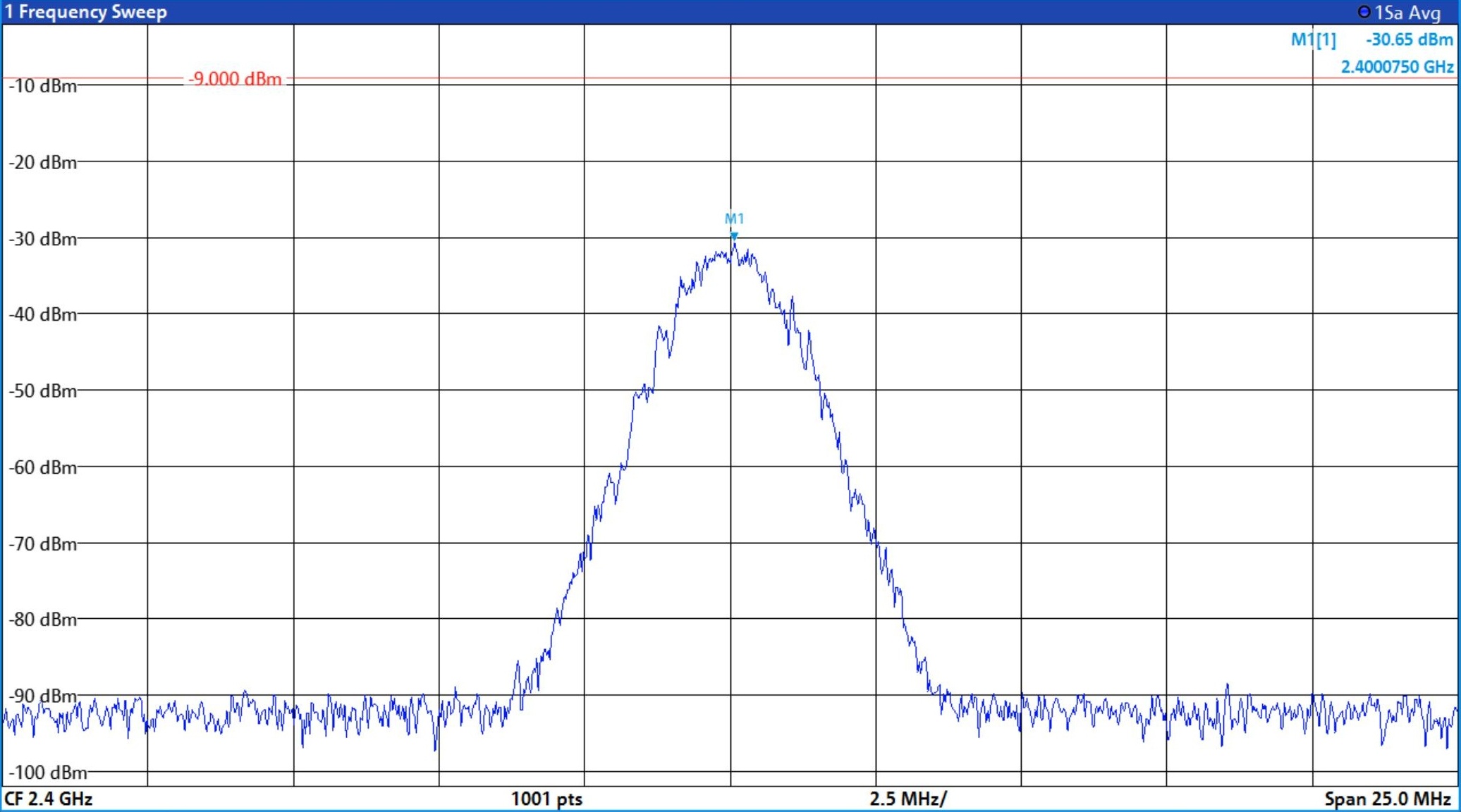
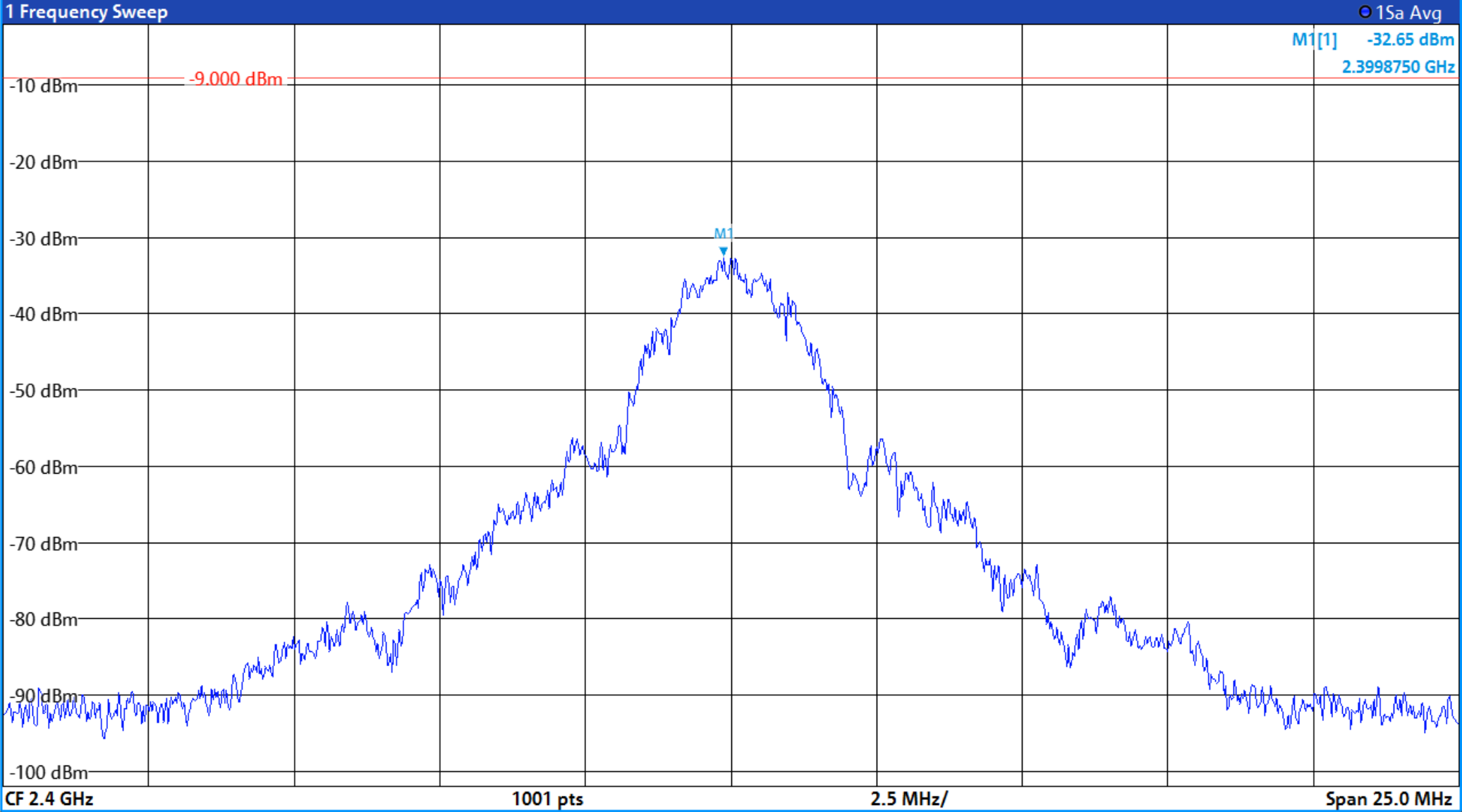
Built on a fully configurable Software Defined Radio architecture, the TTS supports six modulation waveforms. PCM/FM and SOQPSK-TG cover IRIG-106 Chapter 2 range operations; MSK, GMSK, GFSK and SOQPSK-MIL extend the same hardware to non-range links. Reconfigure in the field through the serial interface without any hardware modifications.

PCM/FM Spectrum
MSK Spectrum
GMSK Spectrum
SOQPSK-TG Spectrum
SOQPSK-MIL Spectrum
PCM/FM — h = 0.7 · Constant Envelope · Widest Bandwidth
6 Waveforms
20 MSps Max Symbol Rate
40 Mbps Max Data Rate
IRIG-106 Compliant

Forward Error Correction

Three FEC schemes — LDPC, Reed Solomon, and Convolutional coding — detect and correct bit errors in real time without retransmission. Maintains data integrity in low SNR conditions, extending effective range in noisy RF environments.

IRIG-106 Compliant

Full compliance with Range Commanders Council IRIG-106 standard. Seamless interoperability with existing telemetry ground stations and infrastructure worldwide — no custom protocols needed.

Flexible Data Encoding

50 kSps to 20 MSps symbol rates with RNRZ-L, NRZ-L/S/M, Bi-Phase-L/M/S encoding schemes. Configurable through the serial interface for mission-specific optimization.

Anti-Jamming & Encryption

Stay On Air.
No Matter What.

The TTS rapidly hops across frequencies within the 1–3 GHz band in as little as 20 µs — fully user-configurable. In interference-heavy or contested environments, the signal never stays on a single frequency long enough to be disrupted, ensuring uninterrupted telemetry delivery.

20 μs Hop Time
1–3 GHz Hopping Range
AES-256 Payload Encryption

They Cannot Break It

Hopping across the full 1–3 GHz band in 20 µs means the signal is never on one frequency long enough to be worth attacking. A jammer that finds it has already lost it.

They Cannot Read It

The entire payload is encrypted with AES-256, standard on every model. You load your own key from the configuration software — it never passes through us. A receiver that manages to lock onto the signal still gets nothing out of it.

Interfaces & Connectivity

Connect
Everything.

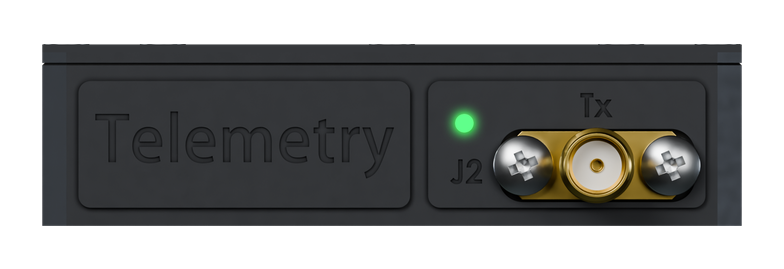
All data, control, and power connections routed through a single mil-spec 25-pin Micro-D connector — the same on every model. One Fast Ethernet port, two RS-422 and two RS-232 channels, four power pins, four TTL discrete I/O lines and a signal ground. Ethernet and RS-422 run as differential pairs; the two power lines are paralleled.

TTS-2 Micro-D connector interface
1x

Fast Ethernet

100 Mbps data streaming

2x

RS-232

Serial command & control

2x

RS-422

Differential data links

4x

Power

Two paralleled supply pairs

4x

TTL

General purpose discrete I/O

One Connector, Zero Compromises

Power, data, and control — all through a single ruggedized 25-pin Micro-D. The pinout is identical across the range, so one harness fits any model in the family and swapping a 2 W unit for a 20 W one costs nothing in integration.

Multi-Protocol, No Converters

Interface directly with flight computers, data acquisition units, and sensor buses. No external protocol converters needed — just plug in and fly.

Environmental Qualification

Built to
Survive.

The TTS is type-qualified to MIL-STD-810G across seven environmental categories, and to MIL-STD-461F for electromagnetic compatibility. Not simulated. Not estimated. Tested and verified against the standard.

✓ Temperature Qualification, baseplate −40 to +55°C 810G 501.5 Proc II (+55°C) · 502.5 Proc II (−40°C)
✓ Storage Temperature −40 to +85°C 810G 501.5 Proc I (+70°C) · 502.5 Proc I (−40°C)
✓ Altitude Qualification 40,000 ft 810G 500.5 Proc I & II
✓ Humidity 95% RH 810G 507.5 Proc II
✓ Acceleration 810G 513.6 Proc I & II
✓ Vibration 810G 514.6D-2 Proc I · 514.8D-1 Proc I
✓ Mechanical Shock 810G 516.6 Proc I & II
✓ Electromagnetic Compatibility MIL-STD-461F CE102 · CS114 · CS115 · CS116 · RE102 · RS103

Complete Chain

One supplier.
The whole link.

A telemetry link has three parts: the transmitter on the aircraft, a ground antenna that stays on it, and the receiver that turns the signal back into data. RFBIT makes all three, so they are built to work together and come from a single supplier.

TTS telemetry transmitter
IRIG-106 Transmitter

TTS

Sends the aircraft’s flight and test data down to the ground as an IRIG‑106 downlink, the standard that telemetry ground stations read.

You are here
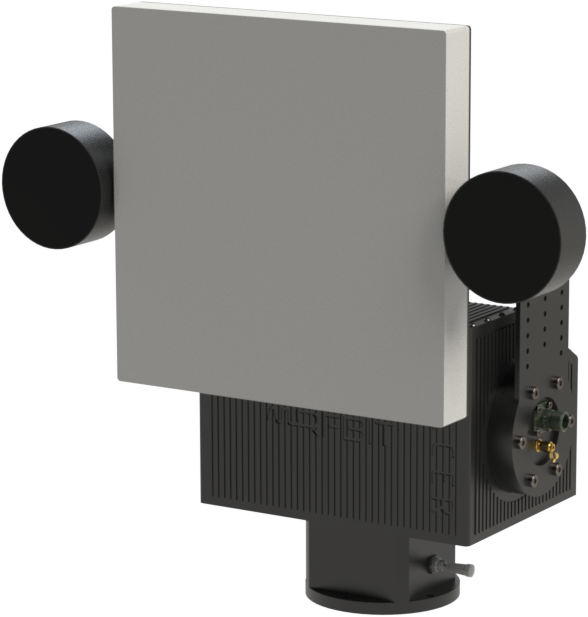
TRACER autotracking antenna pedestal
RF Antenna Tracker

TRACER

Keeps the ground antenna pointed at the aircraft by following its radio signal, not its reported GPS position, so the link holds even when the aircraft’s GNSS is jammed.

Explore TRACER →
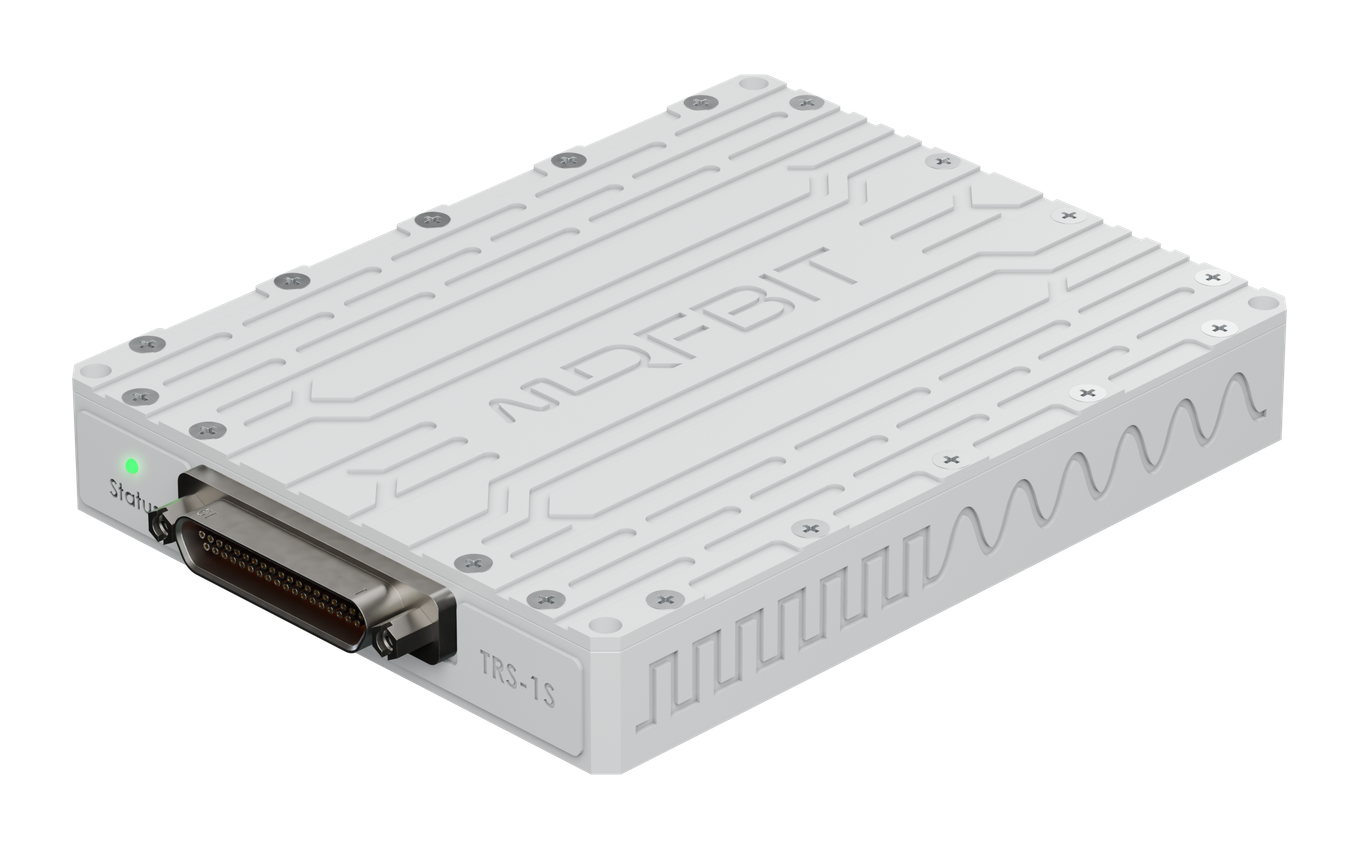
TRS-1S telemetry receiver
IRIG-106 Receiver

TRS-1S

Receives the downlink on the ground and hands clean data to the ground segment, holding on through range, multipath and antenna handovers.

Explore TRS-1S →

ITAR-free

Designed and manufactured in Türkiye, and ITAR-free. Nobody in the supply chain can stop your programme for reasons that have nothing to do with it.

Ships in 8–12 Weeks

All four TTS models ship 8–12 weeks from order. Frequency, output power and modulation are not fixed when you order; the user sets them in software after delivery.

Choose Your Configuration

Four versions tailored for different mission requirements.

TTS-2

2 Watt IRIG-106 Compatible Transmitter

Ideal for short-range telemetry applications in small UAVs and lightweight platforms where size, weight and power consumption are critical constraints.

Max RF Power1 × 2 W
Power Consumption< 14 W
Weight100 g
Dimensions80 × 58 × 15 mm
TTS-2

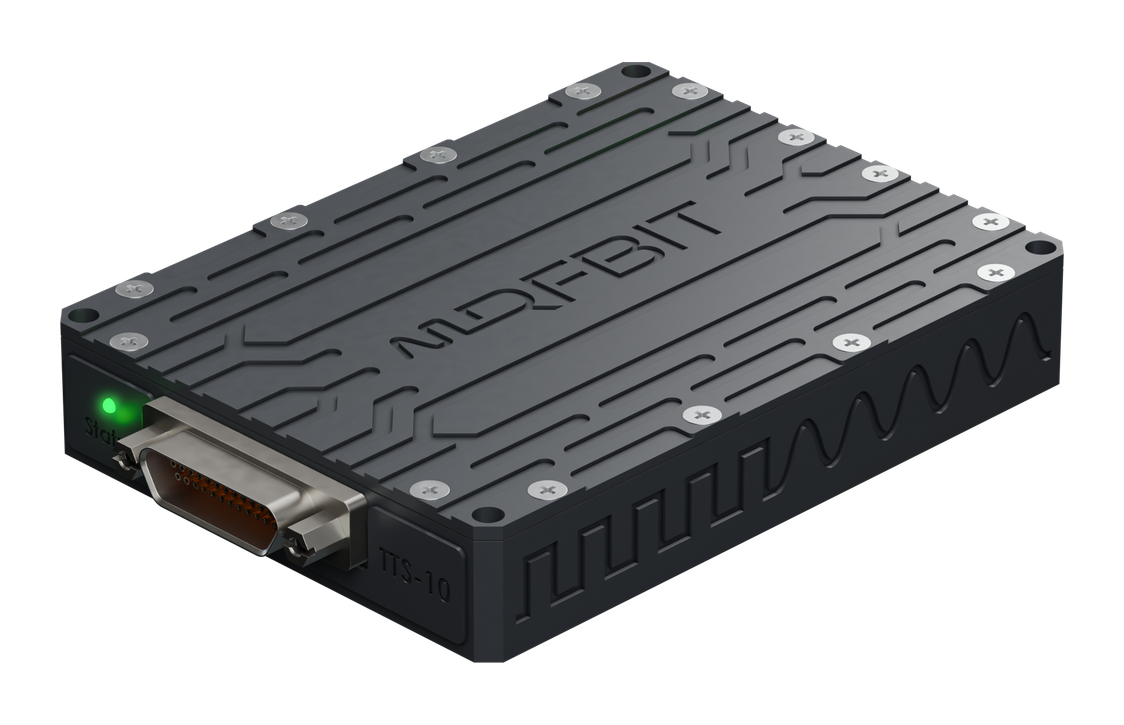
TTS-10

10 Watt IRIG-106 Compatible Transmitter

Medium-range telemetry with extended range in a compact form factor, suited to tactical UAVs and sounding rockets.

Max RF Power1 × 10 W
Power Consumption< 40 W
Weight125 g
Dimensions85 × 63 × 15 mm
TTS-10

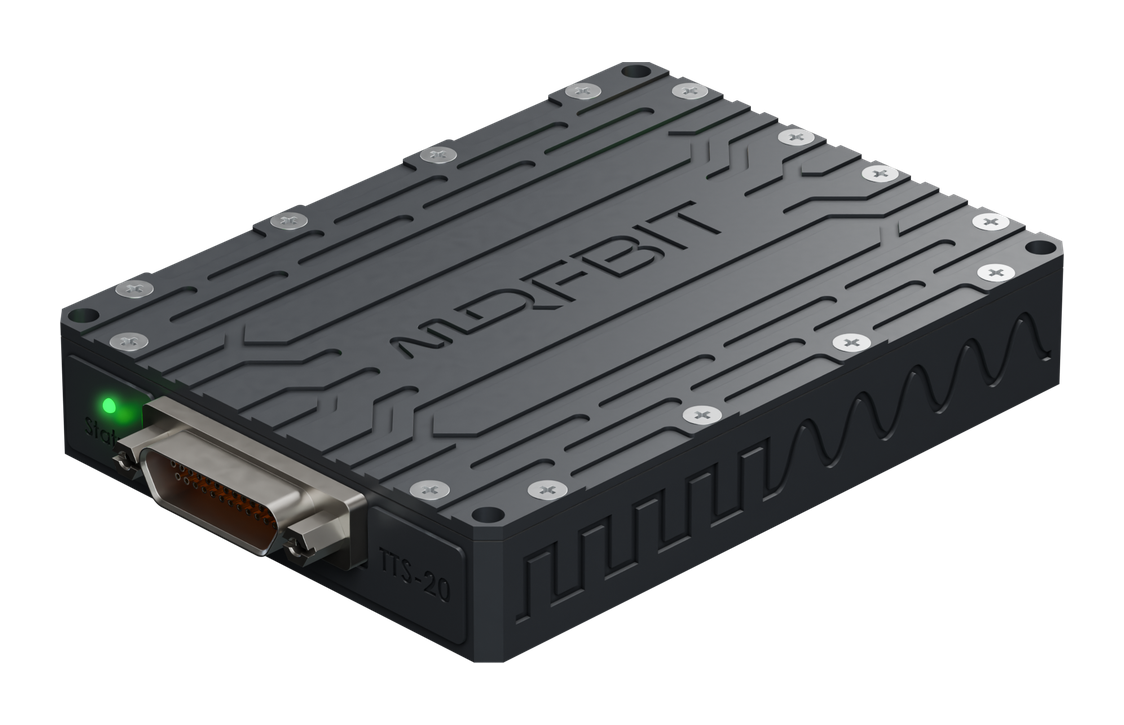
TTS-20

20 Watt IRIG-106 Compatible Transmitter

Maximum range for long-distance missions: beyond 250 km with a high-gain autotracking antenna. Ideal for missile tests and large UAVs.

Max RF Power1 × 20 W
Power Consumption< 75 W
Weight125 g
Dimensions85 × 63 × 15 mm
TTS-20

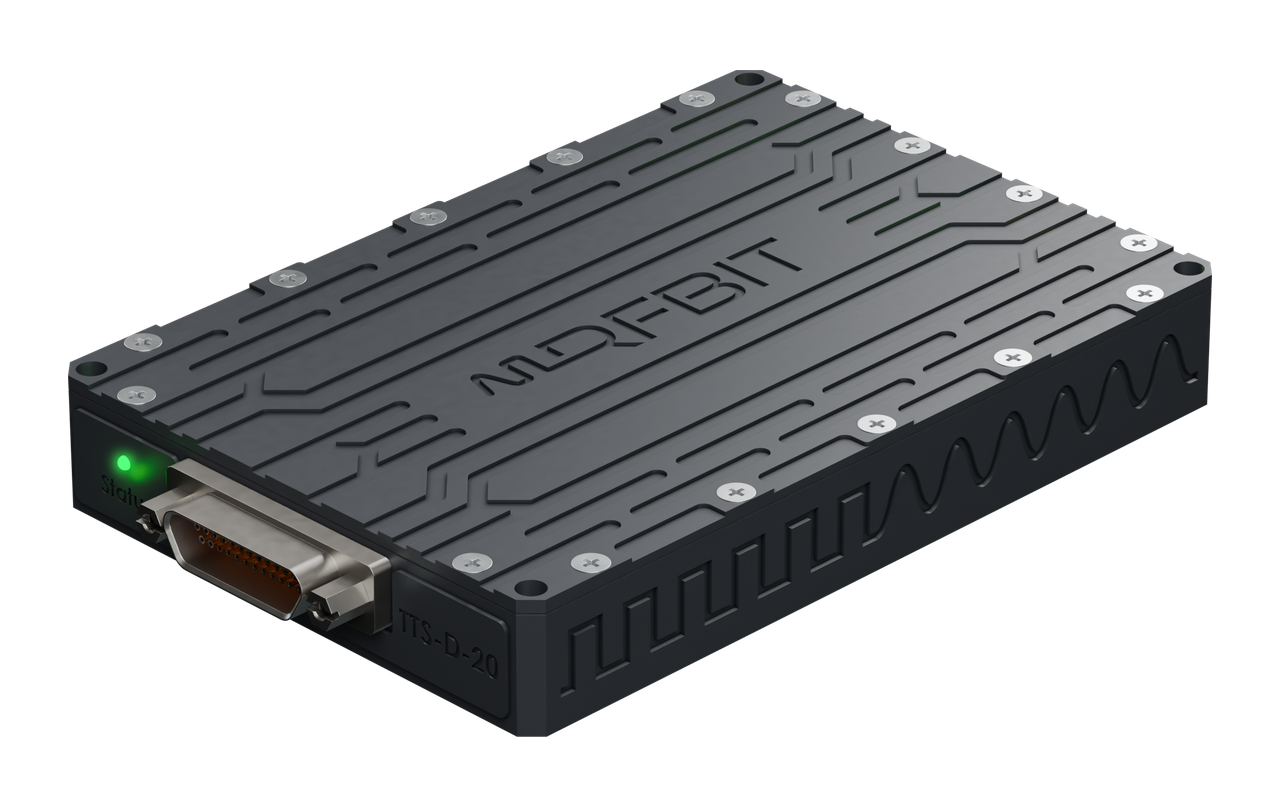
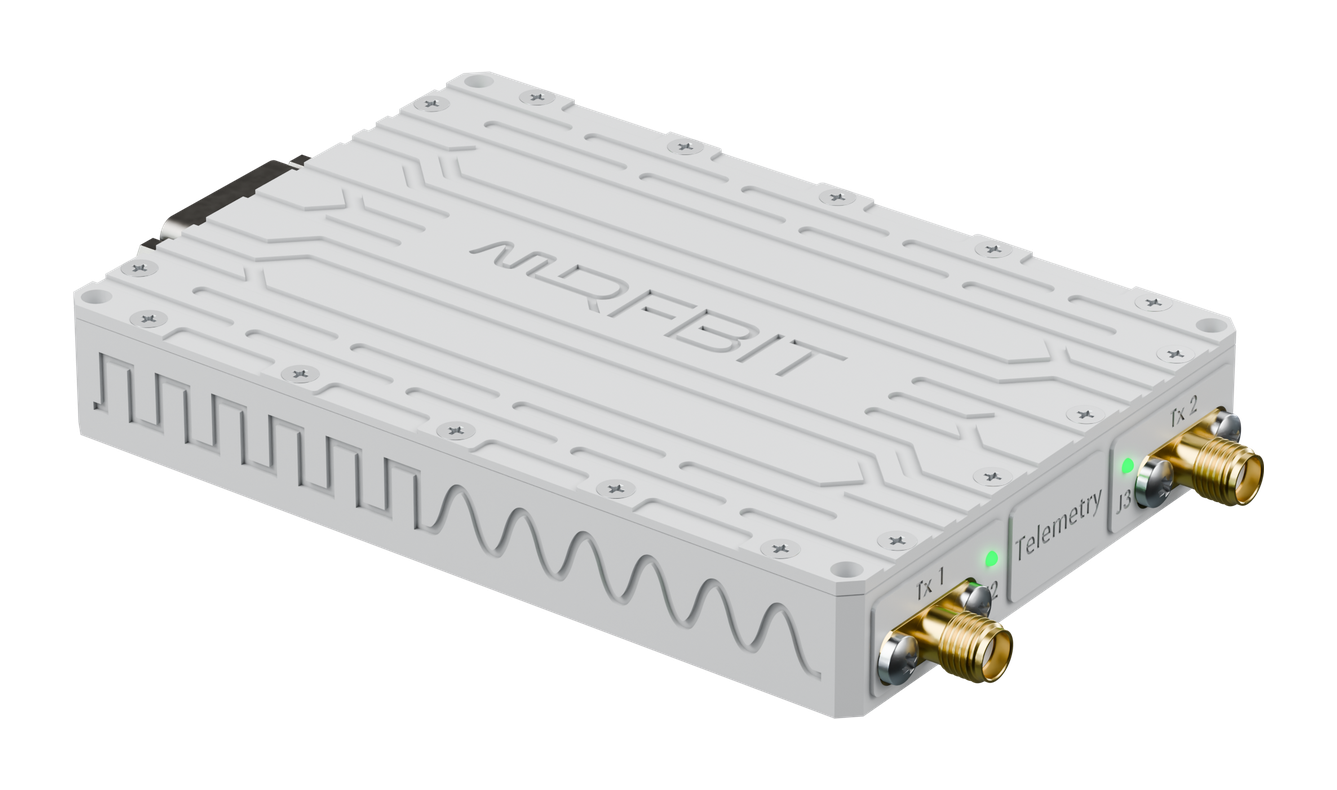
TTS-D-20

Dual-Channel 20 Watt IRIG-106 Compatible Transmitter

Two transmitter channels in a single unit, for simultaneous or redundant telemetry links on critical flight test and missile programs.

Max RF Power2 × 20 W
Power Consumption< 130 W
Weight135 g
Dimensions100 × 68 × 15 mm
TTS-D-20

Specifications — TTS-2

RF Performance
Frequency Range1 – 3 GHzChanged by the user via software
Frequency Step500 kHz
Frequency Tolerance±1 ppm
RF Output Power0.01 mW – 2 WChanged by the user via software
Phase Noise @ 10 kHz−98 dBc/Hz
Phase Noise @ 100 kHz−104 dBc/Hz
Phase Noise @ 1 MHz−121 dBc/Hz
Phase Noise @ 10 MHz−138 dBc/Hz
Impedance50 Ω
Output ProtectionFully VSWR Protected
Modulation & Encoding
Symbol Rate50 kSps – 20 MSpsChanged by the user via software
Data Rate50 kbps – 40 MbpsChanged by the user via software
Symbol Rate Step1 kSps
WaveformsPCM/FM, MSK, GMSK, GFSK, SOQPSK-TG, SOQPSK-MILChanged by the user via software
RandomizerIRIG 15-bit, self-synchronisingChanged by the user via software
FECLDPC, Reed Solomon, ConvolutionalChanged by the user via software
EncryptionAES-256, full payloadChanged by the user via software
EncodingsRNRZ-L, NRZ-L/S/M, Bi-Phase-L/M/SChanged by the user via software
Interfaces & Power
Digital Interfaces1x Ethernet, 2x RS-422, 2x RS-232, 4x TTL
Input Voltage12 – 36 VDC
Power Consumption< 14 W
Supply ProtectionOVP, UVP, OCP, OSCP, OOLP
Transient ProtectionESD & lightning
Power ConditioningInrush current limiter
Mechanical
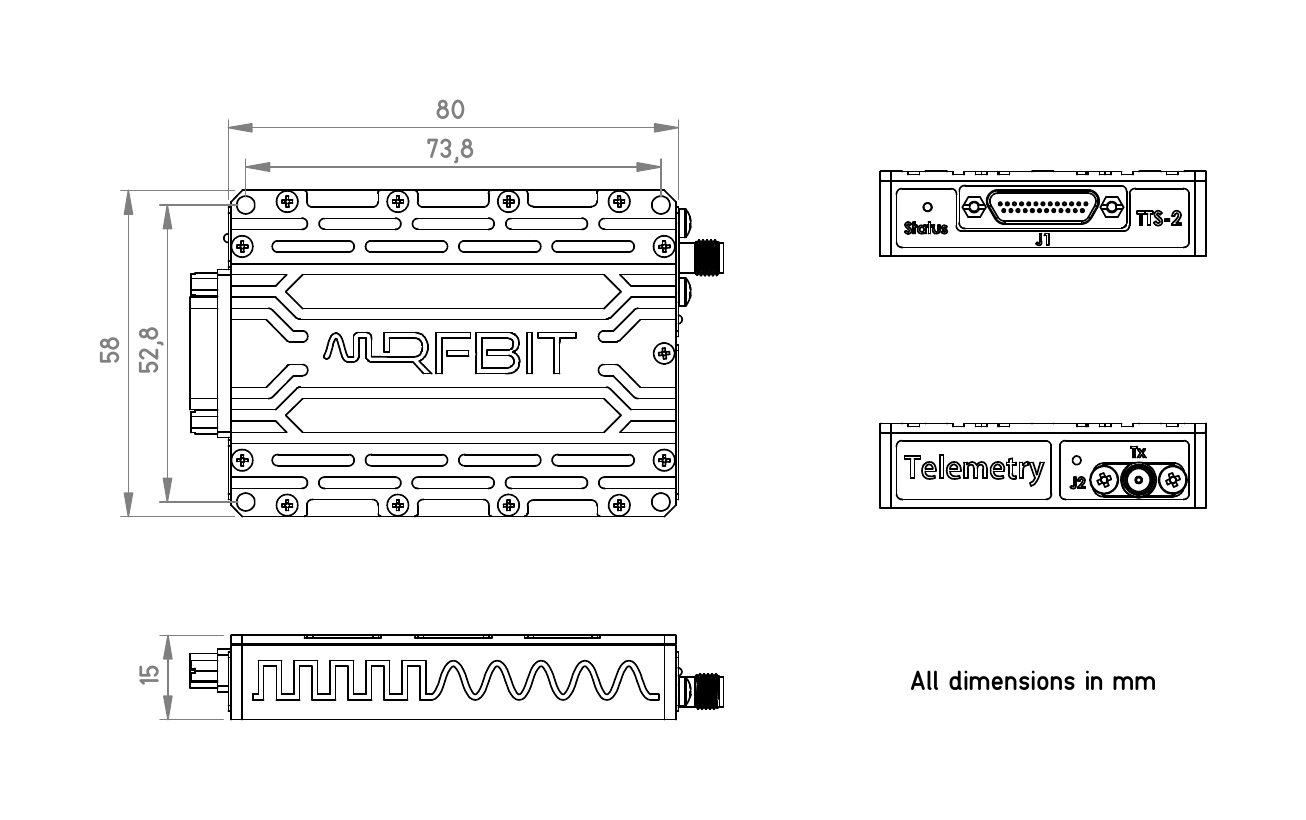
Dimensions80 × 58 × 15 mm
Weight100 g
Mounting4x M3 Holes
MaterialAluminum
Connectors1x 25-Pin Micro-D, 1x SMA
Environmental & EMC
Operating Temp, baseplate−40 to +85°C MIL-STD-810G 501.5 Proc II, 502.5 Proc II
Storage Temp, baseplate−40 to +85°C MIL-STD-810G 501.5 Proc I, 502.5 Proc I
Operating AltitudeUp to 100,000 ft MIL-STD-810G 500.5 Proc I & II
Humidity95% R.H. MIL-STD-810G 507.5 Proc II
AccelerationMIL-STD-810G 513.6 Proc I & II
VibrationMIL-STD-810G 514.6D-2 Proc I, 514.8D-1 Proc I
Mechanical ShockMIL-STD-810G 516.6 Proc I & II
EMCMIL-STD-461F CE102, CS114, CS115, CS116, RE102, RS103
Mechanical Drawing
Mechanical Drawing
Connector Pinout
12345678910111213
PWR IN+PWR IN+ETH TX+ETH RX+422-1 TX+422-1 RX+422-2 TX+422-2 RX+232-1 TX232-2 TXTTL 1TTL 2TTL 3
141516171819202122232425
PWR IN−PWR IN−ETH TX−ETH RX−422-1 TX−422-1 RX−422-2 TX−422-2 RX−232-1 RX232-2 RXTTL 4DGND
  • Pins 1 and 2 are the supply input, 14 and 15 the power return — paralleled pairs, not separate rails.
  • Pin 25 (DGND) is the ground reference for the TTL and RS-232 lines.
  • Ethernet and RS-422 run as differential pairs between the two rows: 3 with 16, 4 with 17, and so on.
3D Model
Loading 3D Model...
Drag to rotate • Scroll to zoom
Accessories

Part NumberDescription
TTS-ACC-CBL-25D25-Pin Micro-D Interface Cable, 1 m (extra)
TTS-ACC-ANT-S24S-Band Omnidirectional Antenna (2.2–2.4 GHz)
TTS-ACC-PSU-28V28 VDC Power Supply Unit
TTS-ACC-SMA-MSMA Male to N-Type Female RF Adapter
TTS-ACC-CFG-USBUSB Configuration & Monitoring Cable

Ordering Information

Part NumberRF PowerColor
TTS-2-G / TTS-2-B2 WTactical Grey / Stealth Black
TTS-10-G / TTS-10-B10 WTactical Grey / Stealth Black
TTS-20-G / TTS-20-B20 WTactical Grey / Stealth Black
TTS-D-20-G / TTS-D-20-B2 × 20 WTactical Grey / Stealth Black

Starting from $2,999. ITAR‑free, ships in 8–12 weeks.

Request a Quote

Compare Versions

Four models, side by side.

ParameterTTS-2TTS-2TTS-10TTS-10TTS-20TTS-20TTS-D-20TTS-D-20
Max RF Output Power2 W10 W20 W2 × 20 W
RF Output Power Range0.01 mW – 2 W0.01 mW – 10 W0.01 mW – 20 W0.01 mW – 20 W
per channel
TX Channels1112
Frequency Range1 – 3 GHz1 – 3 GHz1 – 3 GHz1 – 3 GHz
Symbol Rate50 kSps – 20 MSps50 kSps – 20 MSps50 kSps – 20 MSps50 kSps – 20 MSps
Data Rate50 kbps – 40 Mbps50 kbps – 40 Mbps50 kbps – 40 Mbps50 kbps – 40 Mbps
ModulationsPCM/FM, MSK, GMSK,
GFSK, SOQPSK‑TG,
SOQPSK‑MIL
PCM/FM, MSK, GMSK,
GFSK, SOQPSK‑TG,
SOQPSK‑MIL
PCM/FM, MSK, GMSK,
GFSK, SOQPSK‑TG,
SOQPSK‑MIL
PCM/FM, MSK, GMSK,
GFSK, SOQPSK‑TG,
SOQPSK‑MIL
FECLDPC, Reed‑Solomon,
Convolutional
LDPC, Reed‑Solomon,
Convolutional
LDPC, Reed‑Solomon,
Convolutional
LDPC, Reed‑Solomon,
Convolutional
EncryptionAES-256AES-256AES-256AES-256
Digital Interfaces1× Ethernet, 2× RS‑422,
2× RS‑232, 4× TTL
1× Ethernet, 2× RS‑422,
2× RS‑232, 4× TTL
1× Ethernet, 2× RS‑422,
2× RS‑232, 4× TTL
1× Ethernet, 2× RS‑422,
2× RS‑232, 4× TTL
RF Connectors1× SMA1× SMA1× SMA2× SMA (Tx 1, Tx 2)
Input Voltage12 – 36 VDC12 – 36 VDC12 – 36 VDC12 – 36 VDC
Power Consumption< 14 W< 40 W< 75 W< 130 W
Operating Temperature−40 to +85 °C−40 to +85 °C−40 to +85 °C−40 to +85 °C
Dimensions80 × 58 × 15 mm85 × 63 × 15 mm85 × 63 × 15 mm100 × 68 × 15 mm
Weight100 g125 g125 g135 g
Part NumberTTS-2-G / -BTTS-10-G / -BTTS-20-G / -BTTS-D-20-G / -B
Mechanical Drawing

TTS on your next flight test.

Tell us about your platform and your range. Our engineers will come back with a configuration and a quote.